· fonts · 10 min read
10 Best Arabic Fonts in 2026
Find the best Arabic fonts with real Arabic letters: Kufi display, modern headline faces, plus playful and learning fonts for bilingual work.
What Makes a Good Arabic Font?
First, a quick clarification, because this is where most people get tripped up. This list is about fonts with real Arabic letters, meaning the font contains the actual glyphs of the Arabic script and you can type Arabic in it. That is different from an Arabic-style font, which is a Latin face that merely looks like Arabic.
If you need the look with Latin letters, our Arabic-style fonts roundup is the one to use.
Now the basics of the script. Arabic is written right to left, and each letter changes shape depending on where it sits in a word: isolated, initial, medial, or final. A good Arabic font has to connect those forms correctly, or your text will look broken. The small dots, called i’jam, separate letters that share the same skeleton. The optional vowel marks, called harakat, sit above and below the letters. Both need to stay crisp and not collide, especially at smaller sizes.
The main styles are Kufi, which is angular and geometric and best for headlines. Naskh is rounder and built for text. Thuluth and Diwani are decorative and ceremonial. Ruqah is a fast everyday handwriting. If you searched for arabic calligraphy fonts, you may have expected classic Thuluth or Diwani. This list leans toward modern interpretations of Kufi, chirographic or handwriting-based faces, and decorative display fonts rather than traditional calligraphy.
When you choose Arabic fonts for design projects, a simple rule helps. Pair one expressive headline face with one readable text face. That keeps your layout balanced and your Arabic legible.
Kufi and Geometric Arabic Fonts
Kufi is the most angular and geometric of the Arabic styles, and it holds its shape well in logos, signage, and posters. This headline face is a display font rather than something you would set a long paragraph in. If you are hunting for Arabic fonts for logos, this is the place to start.
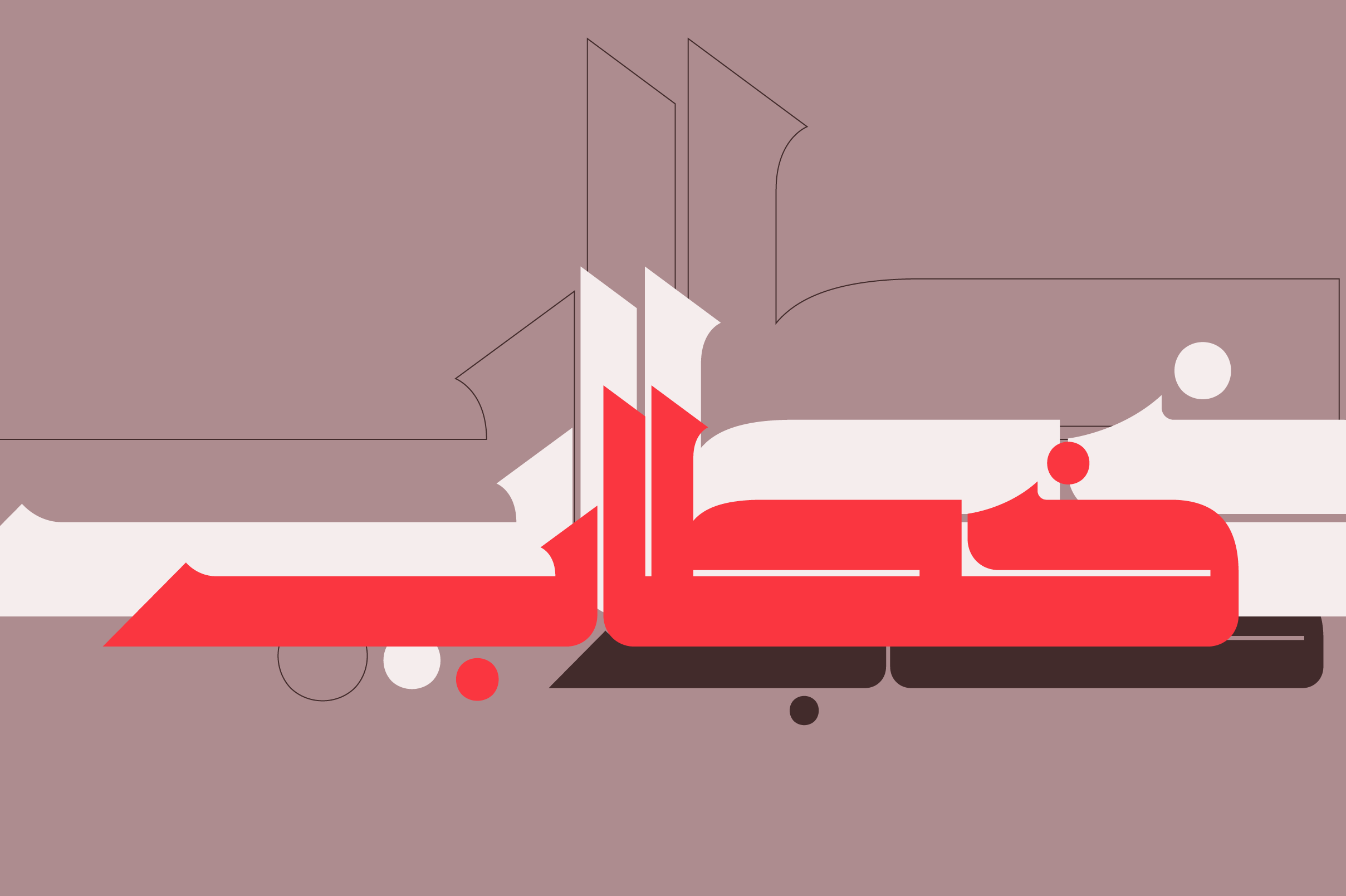
1. Khetab
Khetab is an Arabic display font built on a geometric structure that takes its cues from ancient Kufic writings. That structure makes it a good candidate for logos, posters, and bold headlines where you want the script to feel structured rather than ornamental.
Best for: logos, posters, bold headlines. By: Mostafa El Abasiry
Modern Arabic Text and Headline Fonts
This group is where the list gets more contemporary. These are the modern Arabic fonts in the list, built for interfaces, brands, and headlines where you want clean lines and a chirographic, or handwriting-based, character. A word of caution: for long body text, set a real test paragraph before you commit, because the product listings do not say how these faces hold up at small sizes. If you are also after classic calligraphy in a Latin or general context, see our roundup of calligraphy fonts.
2. Hetaf
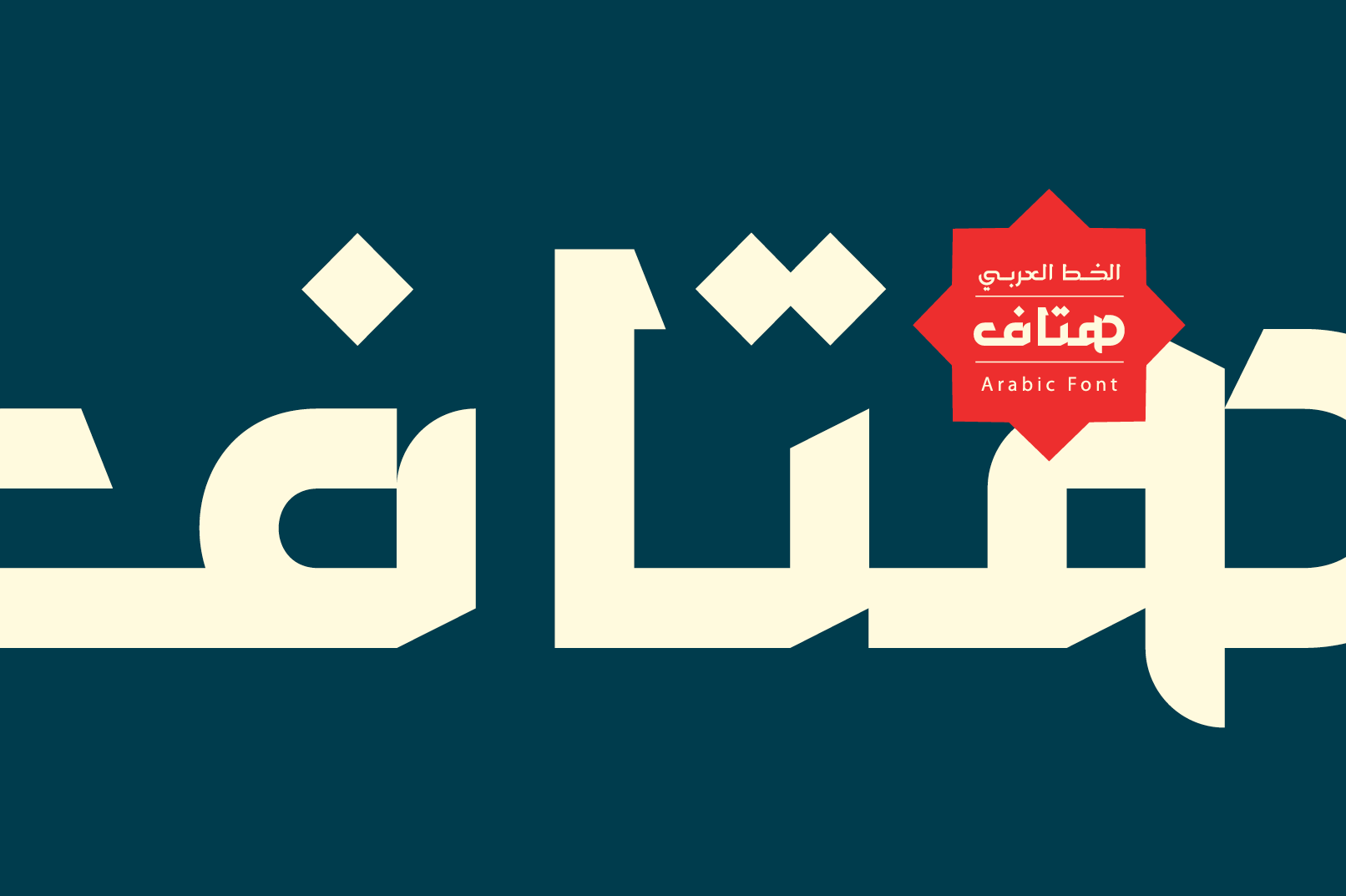
Hetaf is an Arabic sans serif, which puts it in a different camp from the more calligraphic faces in this list. That makes it a practical pick for clean headlines, brand materials, and presentation titles. If you are building bilingual Arabic English design layouts, it is a natural starting point to pair with a separate modern Latin sans.
Best for: clean headlines, brand materials, presentation titles. By: Mostafa El Abasiry
3. Taleeq
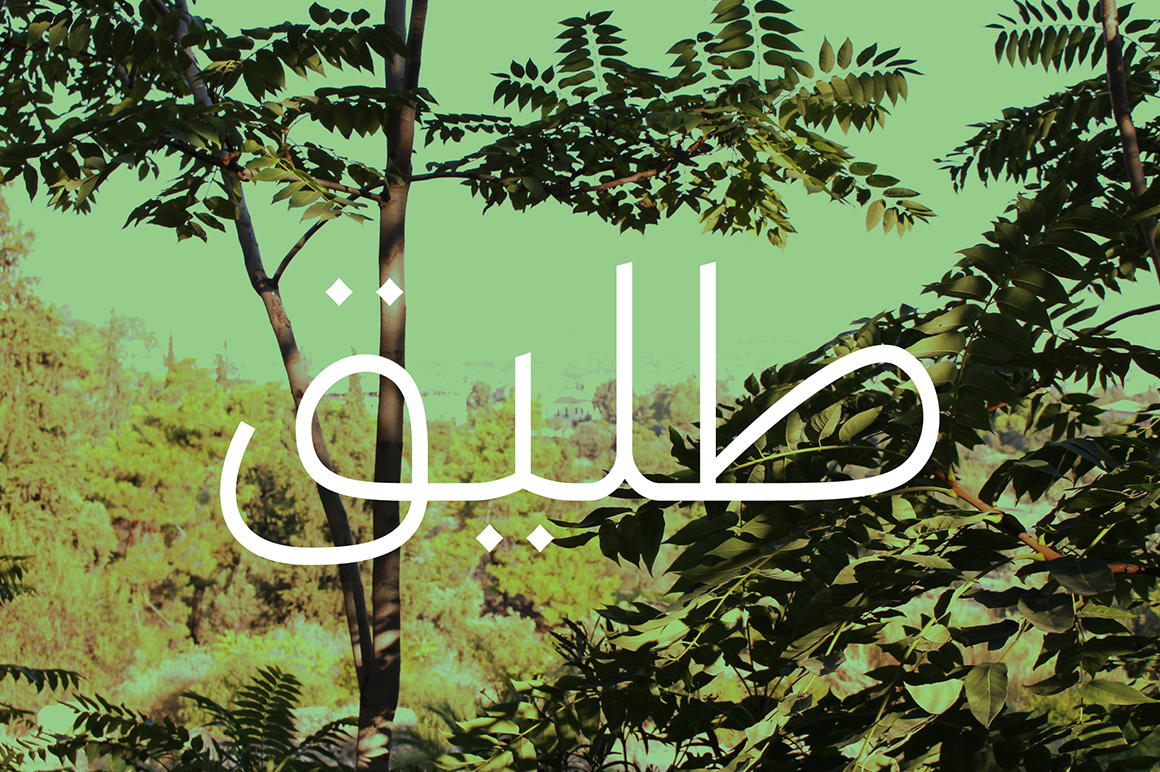
Taleeq is an Arabic typeface with a chirographic, or handwriting-based, structure, and it comes in three weights. The handwriting-based structure suggests more movement than a strictly geometric face. I would try it for editorial headlines, invitations, and cultural event titles. The three weights give you a little room to build hierarchy.
Best for: editorial headlines, invitations, cultural event titles. By: Mostafa El Abasiry
4. Wahaj
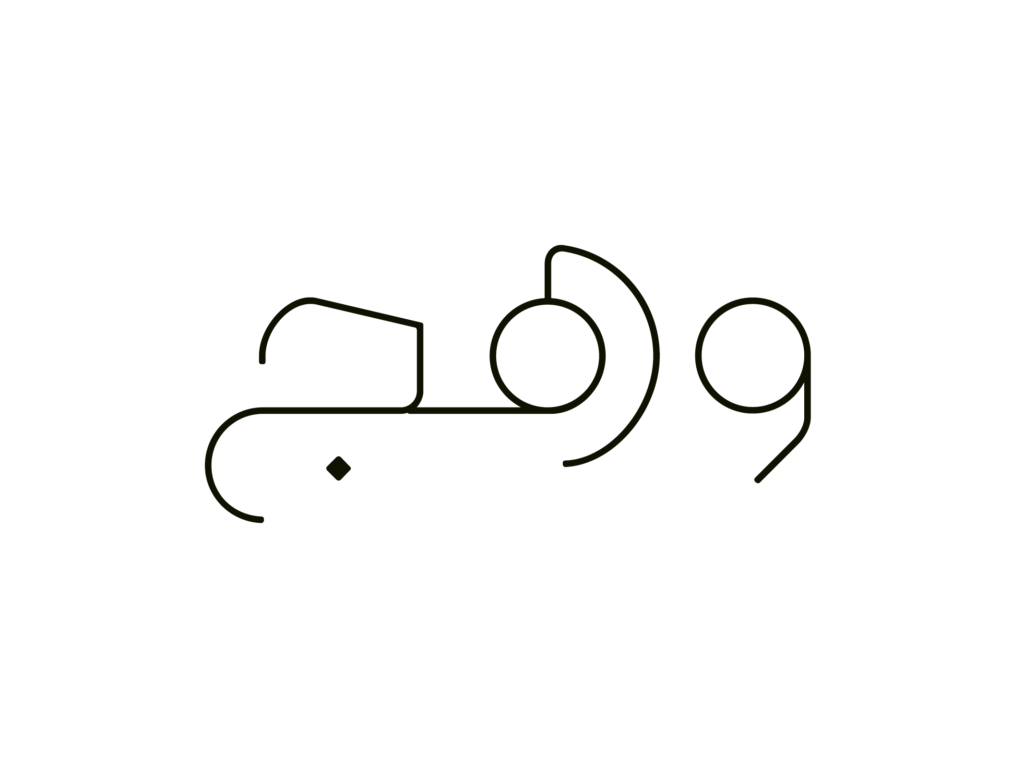
Wahaj combines elegance with modernism. That is a useful balance for projects that need to feel refined but not dated. I would test it for elegant branding, luxury packaging, and wedding stationery. It is worth a look when a client wants the Arabic to feel premium without leaning on heavy ornament.
Best for: elegant branding, luxury packaging, wedding stationery. By: Mostafa El Abasiry
5. Maharah
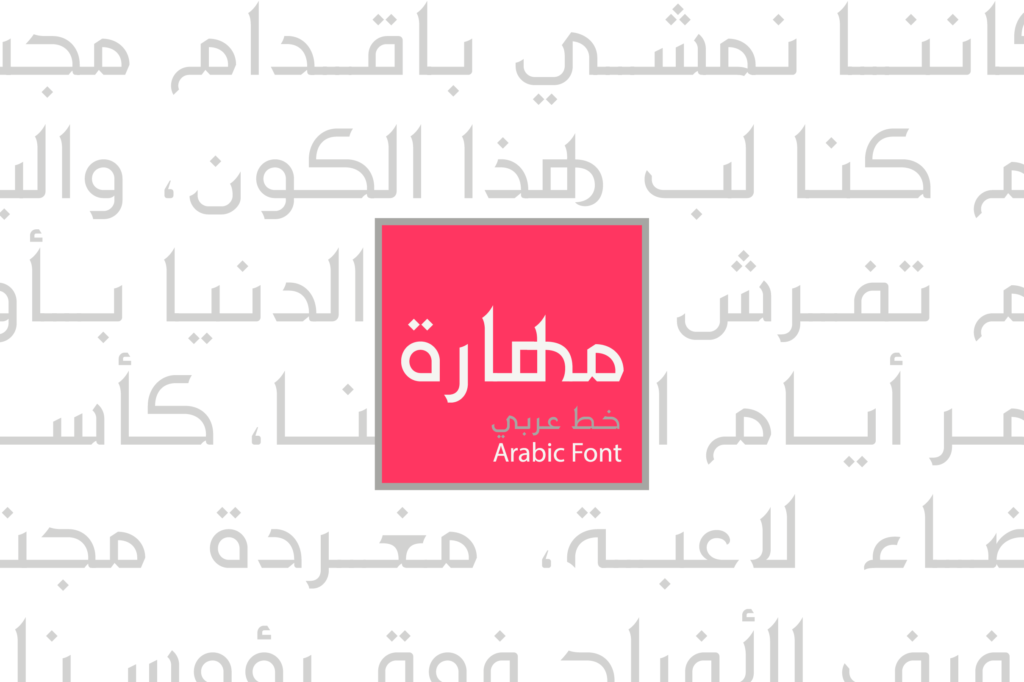
Maharah blends authenticity, elegance, and modernity in a single face. That mix makes it a flexible candidate for a logo, a magazine cover, or a boutique brand mark. Because it sits between traditional and contemporary, it is a reasonable choice when you are not sure how much “modern” a project can take.
Best for: logos, magazine covers, boutique branding. By: Mostafa El Abasiry
6. Yalla Arabic
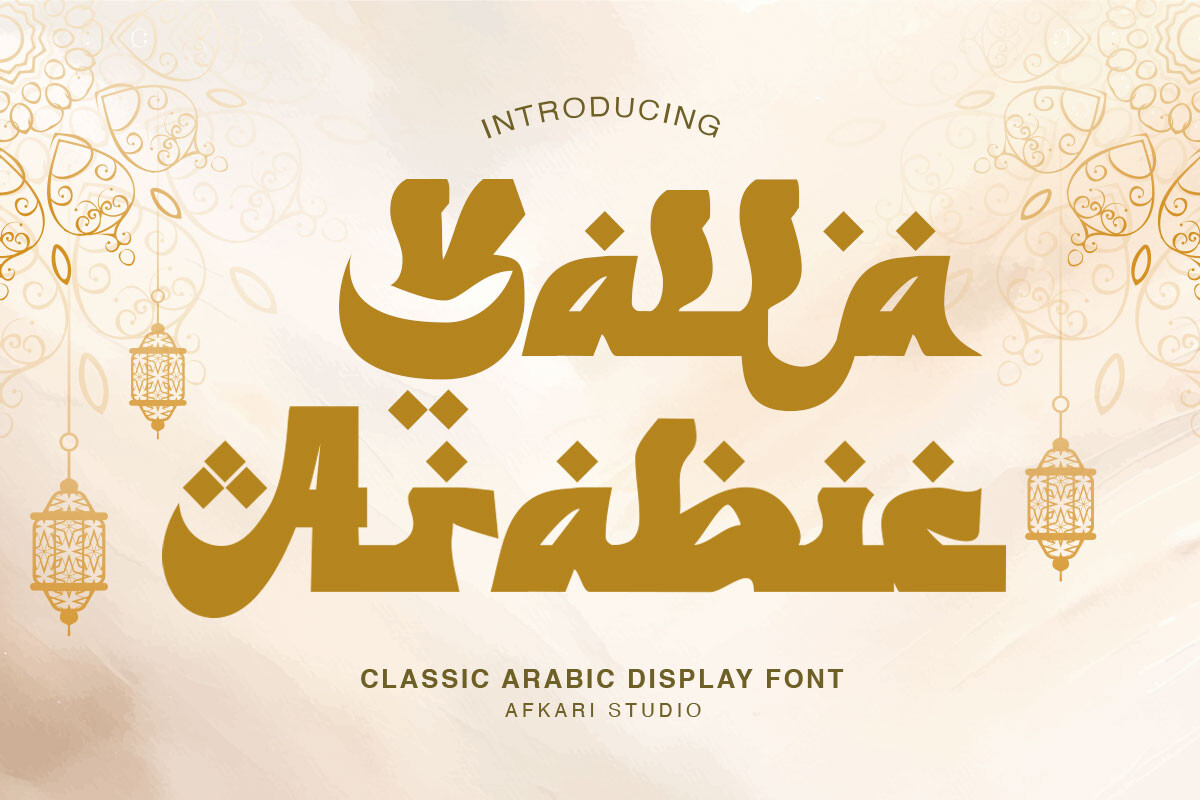
Yalla Arabic is the one I would test first if your project depends on numerals and punctuation. It offers a full range of Arabic glyphs, punctuation, and numerals, plus ligatures. That makes it a sensible pick for bilingual layouts, social posts, and menus where you are mixing Arabic with other text. If your project lives or dies on getting the digits and punctuation right, start here.
Best for: bilingual layouts that need numerals and punctuation, social posts, menus. By: afkaristudio
Decorative, Playful and Learning Arabic Fonts
This is the most mixed group. It has three decorative faces for titles and branding, plus two learning fonts for children and worksheets. The decorative picks are for short, expressive lines. The learning fonts are built to teach letters, not to sell a product. If you are making kids’ materials, our kids and children fonts roundup has more options to pair with these.
7. Makeen
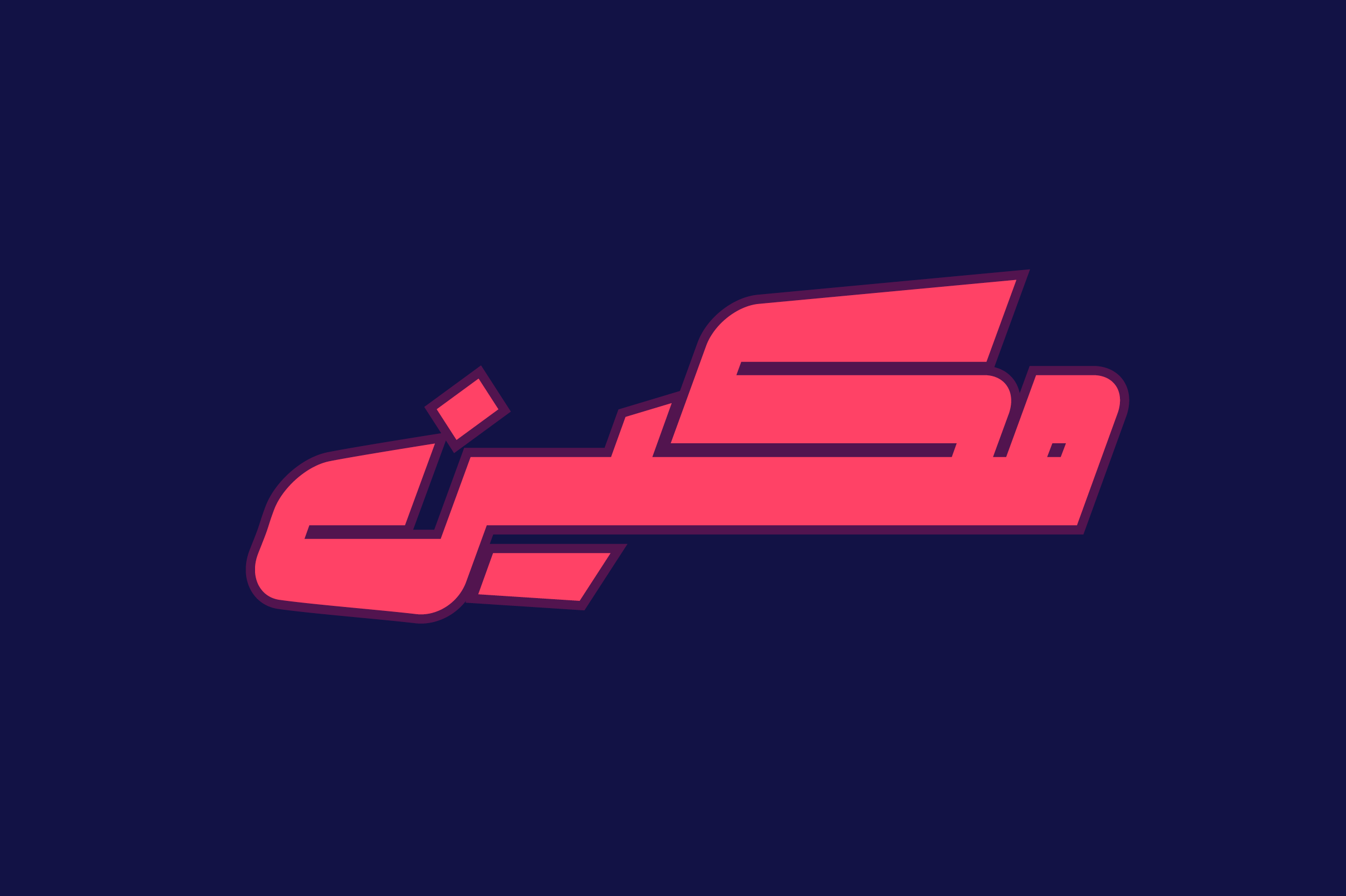
Makeen is an Arabic display font that ships with Regular, Slant, and Joined-Dots styles. The Joined-Dots option is a nice touch for creative branding, because it lets you play with how the script connects. I would try it for display titles and posters where you want a little extra character.
Best for: display titles, posters, creative branding. By: Mostafa El Abasiry
8. Ahaleel
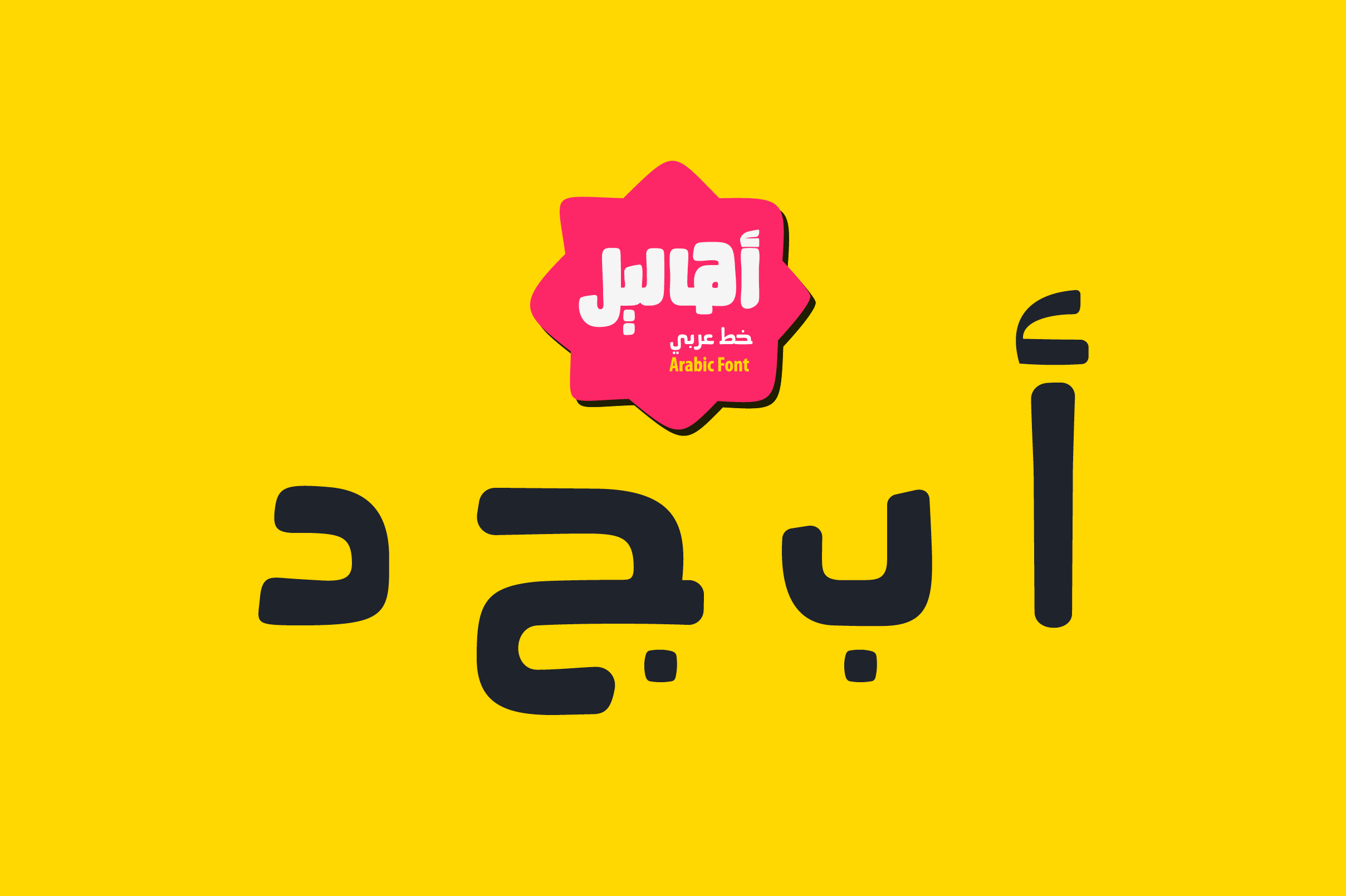
Ahaleel is a funky, casual Arabic display font suited to titling, branding, and children’s books. The casual character makes it worth testing for projects aimed at younger readers or for a brand that wants to feel light. It is a fun option when a formal kufi font would feel too stiff.
Best for: titling, branding, children’s books. By: Mostafa El Abasiry
9. Kids Arabic
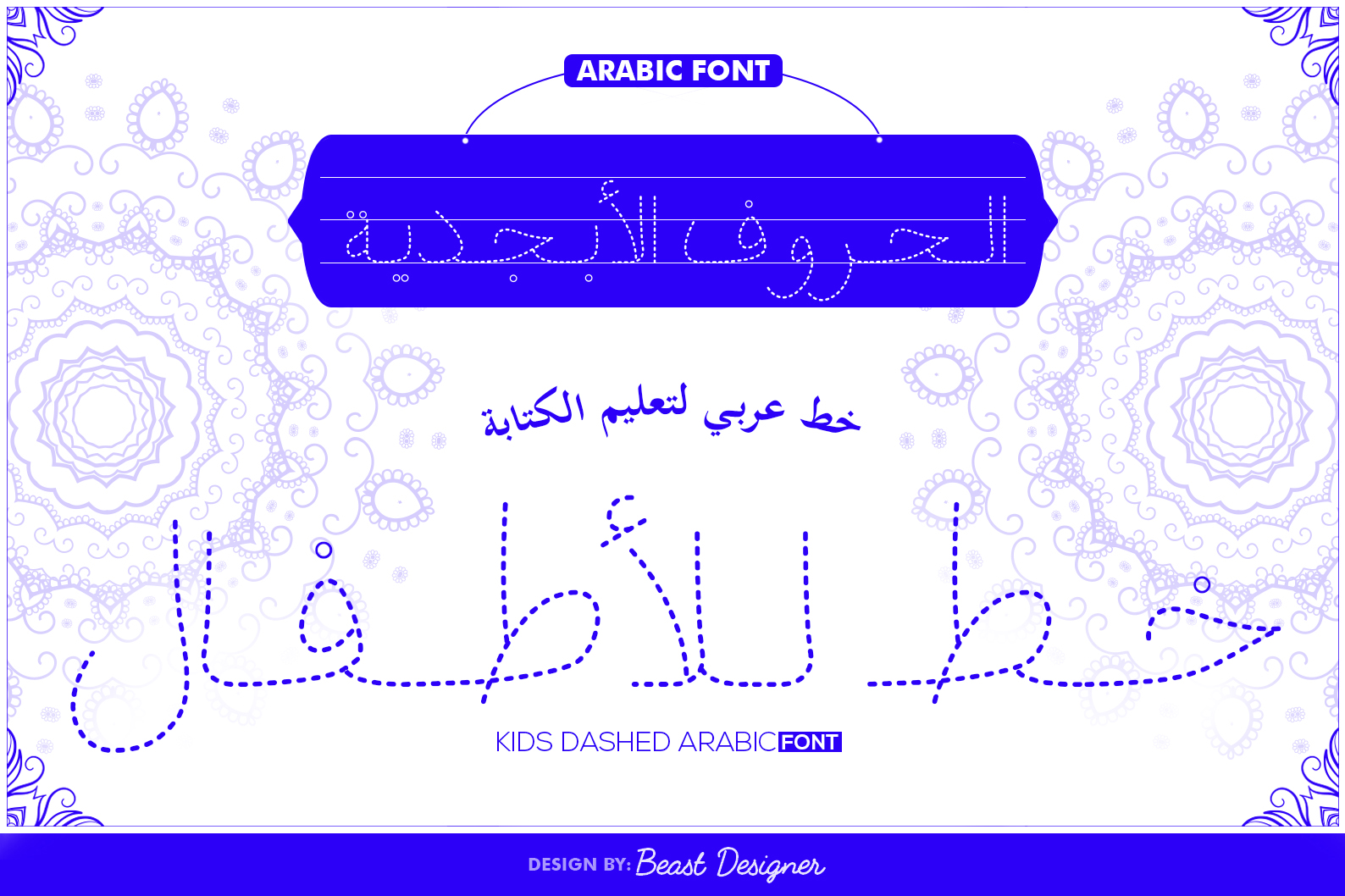
Kids Arabic is a dashed tracing font made for Arabic letter worksheets. The dashed outlines give children a clear path to follow as they practice each letter. It is a practical pick for classroom handouts and homeschool materials. Think of it as an Arabic alphabet worksheet font first and a display face a distant second.
Best for: letter-tracing worksheets, classroom handouts, homeschool materials. By: Beast Designer
10. Alif Baa Taa
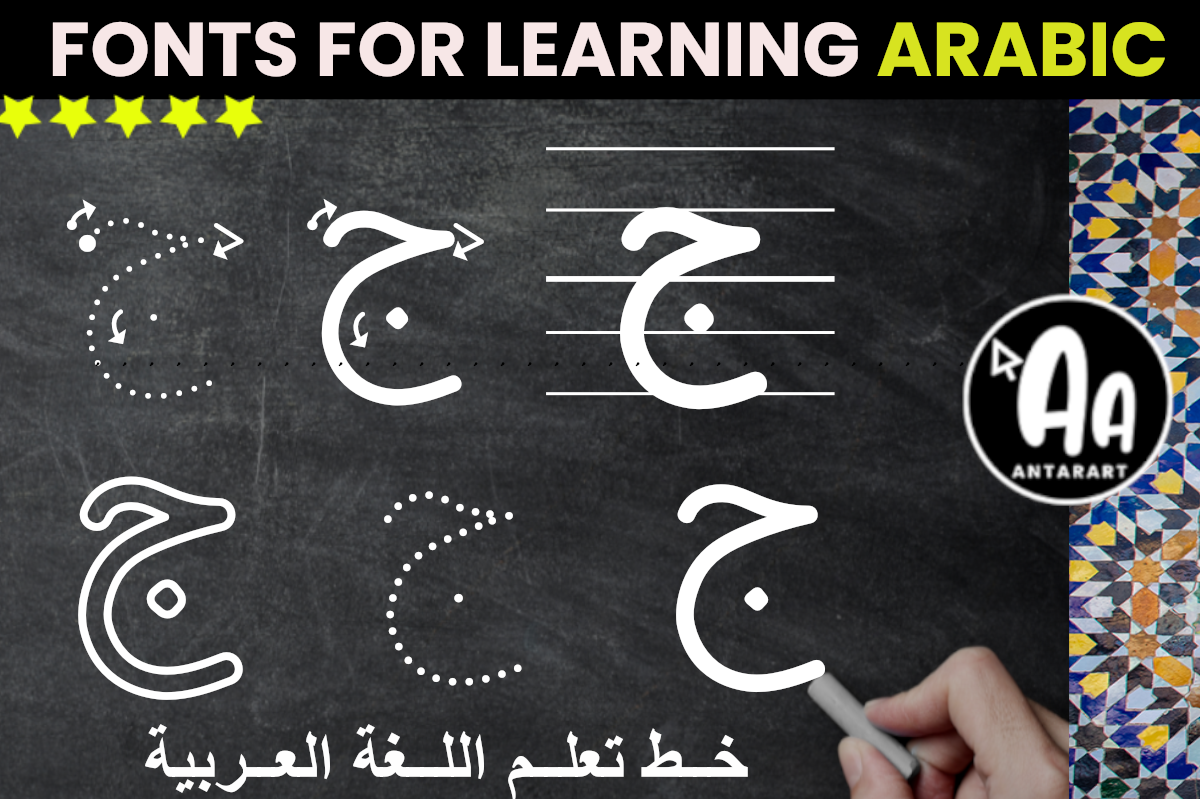
Alif Baa Taa is a handwritten Arabic font for teaching and learning Arabic worksheets. It suits alphabet posters and kids’ activities, and like Kids Arabic it is built for learning rather than for branding.
Best for: teaching and learning Arabic worksheets, alphabet posters, kids’ activities. By: AntarArt
How to Use Arabic Fonts in Design Software
Arabic text needs an app that supports right-to-left layout and complex-script shaping. Without that, your letters can come out disconnected or in the wrong order. This is the most common problem when you first try to type Arabic in Illustrator, Photoshop, or Canva.
In Adobe apps such as Illustrator, Photoshop, and InDesign, look for a Middle Eastern or World-Ready text engine or composer and set the paragraph direction to right-to-left. The exact names vary by version, so check your app’s settings rather than following a fixed path. Some versions also offer an option to show Middle Eastern or Indic type options.
Canva supports Arabic text, but check the font list and the direction setting in your own account. Do not assume a Creative Fabrica font is available in Canva without uploading it, because upload access depends on your plan.
Before you finalize anything, type a test line and check the numerals, punctuation, and harakat, the small vowel marks above and below the letters. Arabic digits look different in different regions, so confirm the digits in the preview match what you need. Yalla Arabic states that it includes numerals and punctuation, but for the other faces in this list, check the preview yourself.
A quick checklist before export:
- Set the paragraph direction to right-to-left.
- Type a real sample line with digits and punctuation.
- Check harakat at the final size.
- Pair a separate Latin face for bilingual work.
For bilingual Arabic English design work, choose your Arabic and Latin fonts separately and match them by weight and visual height by eye. You may need to size the Arabic slightly larger than the Latin to make the two feel balanced, but check visually rather than relying on a fixed rule. Do not assume any face in this list includes Latin letters, and plan to pair a separate Latin face.
Finally, do not stretch the letters artificially or change the letter spacing in connected Arabic text, because that breaks the joins between letters. If you need a readable Naskh font for long paragraphs next to a decorative headline from this list, classic families such as Amiri and Scheherazade are worth a look. If your project is for children, the two learning fonts in this list are a good starting point.
Tips for Choosing the Right Arabic Font
Start by deciding whether you need a headline face or a text face. Kufi and display fonts like the ones in this list are built for short, expressive lines. For longer copy you want a more readable face, so set a real test paragraph before you decide.
Test every font in the Creative Fabrica preview by typing your actual Arabic text, not Lorem ipsum. That is the only way to see how the joins, dots, and harakat behave in your real content. If a font looks good in a single word but not in a sentence, trust the sentence.
Then check that the font has the glyphs you need: numerals, punctuation, ligatures, and vowel marks. Yalla Arabic states that it includes numerals, punctuation, and ligatures, but for the rest of the list, confirm in the preview.
Keep the learning fonts in their lane. Kids Arabic and Alif Baa Taa are for worksheets and teaching, not for advertising or branding.
A candid note on the authors: most of the picks here are by Mostafa El Abasiry, a productive designer of Arabic fonts on Creative Fabrica, so you may notice a family resemblance between some of the faces. To keep things varied, I have added fonts from afkaristudio, Beast Designer, and AntarArt.
If you plan to use a font for branding or on products, check the license on each product page before you commit.
And before anything goes to print or signage, show the final Arabic text to a native speaker or a proofreader. If you actually need the Arabic look with Latin letters, that is a different task, and our Arabic-style fonts roundup covers that ground.
Where to Download Arabic Fonts
Creative Fabrica is the main source for every font in this list, and each entry above links to its product page. If you want classic Naskh families for longer text, Amiri and Scheherazade are good places to start, and Google Fonts is a place to browse open-licensed Arabic faces. For more font roundups and design guides, head to the FontPro blog.