· fonts · 11 min read
17 Best Celtic Fonts in 2026
Find the best celtic fonts for Irish designs, tattoos, book covers and St. Patrick's Day projects: uncial scripts, knotwork display faces, Gaelic calligraphy and Norse-Celtic fusions.
The best celtic fonts draw from a lettering tradition that goes back to Irish monasteries in the 6th century. Whether you need irish fonts for pub signage, gaelic fonts for wedding invitations, or celtic tattoo fonts for body art, the right typeface sets the tone instantly. Here are 17 celtic fonts from Creative Fabrica, grouped by style, plus tips for tattoos, Cricut crafts and logo work.
What Makes a Font Look Celtic?
Celtic fonts take their shapes from Insular script, the rounded writing style developed by Irish monks who produced manuscripts like the Book of Kells. The key features are soft, rounded letterforms (uncial shapes), knotwork details woven into strokes, and a vertical rhythm that feels both ancient and balanced.
Modern celtic fonts expand that foundation. Some lean into blackletter territory with angular strokes and medieval weight. Others stay closer to calligraphy, with flowing scripts that echo Gaelic handwriting. A few blend Norse and Celtic traditions, borrowing angular runes and bold serifs from Viking-era carvings.
The right pick depends on the project. A traditional uncial font works for book covers, certificates, and historical branding. A bold celtic display font suits game titles, beer labels, and Irish pub signage. A celtic script works for wedding invitations, greeting cards, and tattoo lettering. For free options, Google Fonts offers IM Fell English for a historical serif feel and UnifrakturMaguntia for a blackletter direction, though neither is a true Insular style.
If you are designing for St. Patrick’s Day, Irish events, or Celtic-themed merchandise, the font sets the tone immediately. Choose uncial for tradition, blackletter for drama, and script for elegance.
The traditional Celtic script is known as Insular script or Gaelic type. It was used in Ireland well into the mid-20th century for government documents and religious texts. The difference between celtic fonts and gaelic fonts is mainly scope: Celtic covers Irish, Scottish, Welsh, and Breton traditions, while Gaelic refers specifically to Irish and Scottish Gaelic culture. For tattoo work, uncial and bold display letterforms tend to age better than thin scripts.
Traditional Celtic and Medieval Fonts
These fonts draw directly from uncial and Insular manuscript traditions. They work best for projects that need an authentic, historical feel: book covers, fantasy game titles, certificates, and historical branding.
I reach for these when the design needs to feel old without looking dusty. The best ones balance manuscript charm with enough clarity for modern layouts.
If you are wondering what font is closest to traditional Celtic writing, uncial faces are the answer. They capture the rounded, open shapes of 6th-century manuscript lettering better than blackletter or script alternatives.
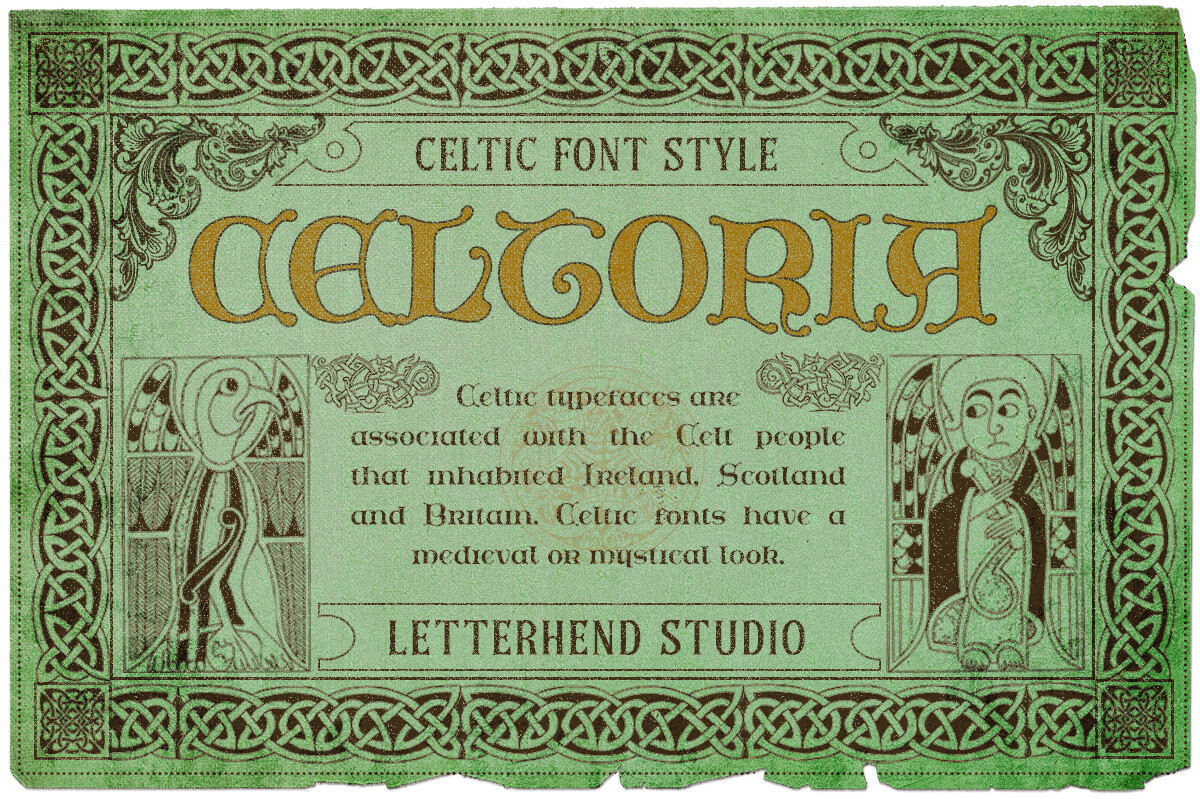
1. Celtoria
Celtoria blends medieval designs with a modern touch, and the letterforms have elegant curves inspired by ancient Celtic art. I like it for book covers and fantasy game titles where the type needs to feel rooted in history but still readable at headline size.
Best for: book covers, fantasy game titles, Celtic festival posters. By: letterhend
2. Celtic Stitches
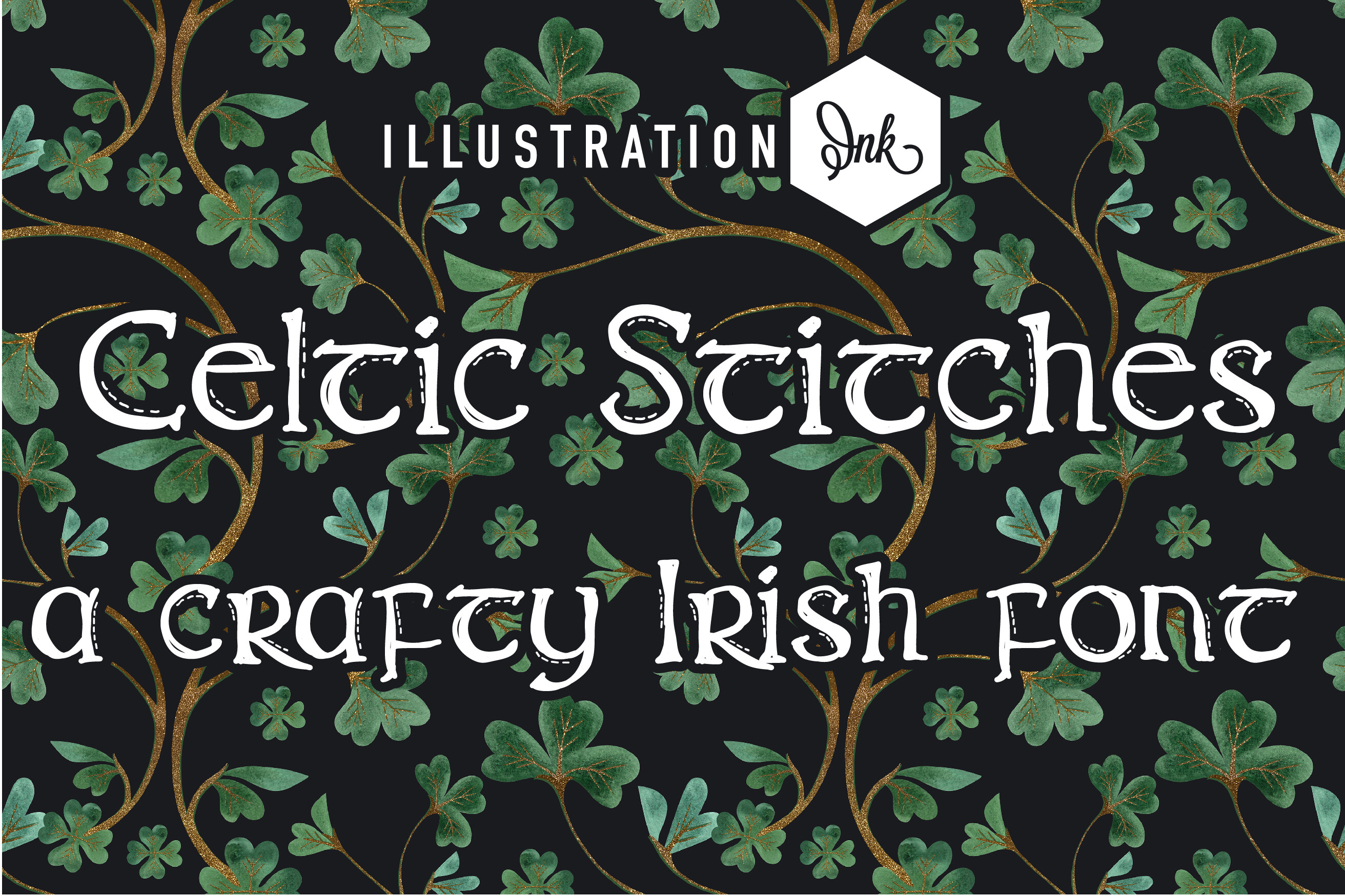
This hand-crafted font combines a Celtic style with a stitched, textile feel. The stitching detail gives it a warm, handmade quality that works for craft projects, scrapbooking, and greeting cards. For celtic fonts for Cricut, this is a good pick when you want embroidery-style lettering.
Best for: craft projects, Cricut designs, scrapbooking. By: Illustration Ink
3. Boundhero
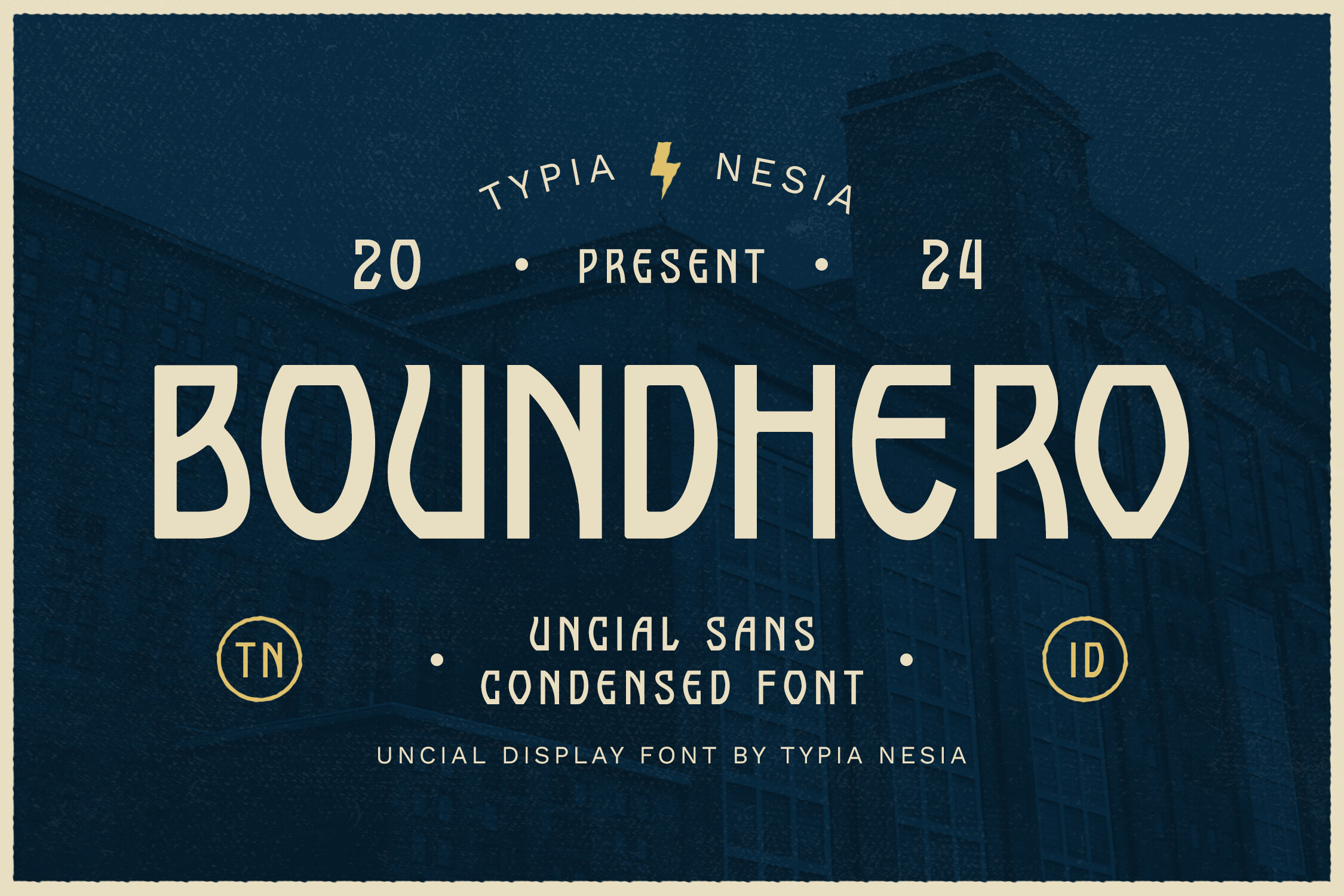
Boundhero is an uncial, condensed font that merges historic charm with contemporary flair. The tall, compact letterforms have the rounded character of Celtic manuscripts, which makes it useful for headlines, branding, and poster titles that need strength without heaviness.
Best for: headlines, branding, logo design. By: Typia Nesia
4. Rivendell

This blackletter font is a blend of uncial, Caroline minuscule, and other historical writing styles. It includes two variants of alternate uppercase and nine variants of alternate lowercase letters, which gives you options for creating richly decorated text. It suits vintage cards, retro posters, and fantasy-themed projects.
Best for: vintage cards, retro posters, fantasy projects. By: Red Ink
5. Uncil
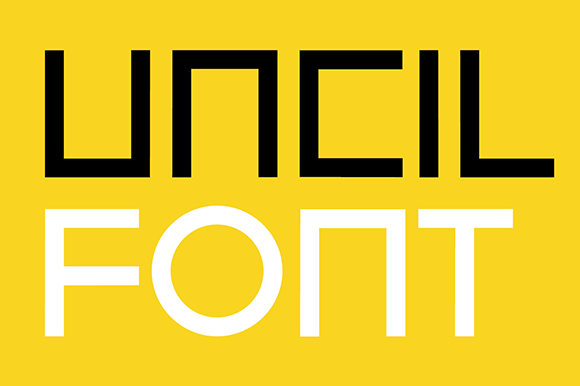
Uncil is inspired by the uncial script tradition, the rounded writing style used in Latin and Greek manuscripts from the 4th to 8th centuries. That makes it one of the most historically grounded options in this list. It works for manuscript-style designs, certificates, and medieval invitations where authenticity matters.
Best for: manuscript designs, certificates, medieval invitations. By: avand.sc
Celtic Display and Blackletter Fonts
Celtic display fonts bring more visual weight and drama. They borrow from blackletter traditions and add knotwork, dragon motifs, or Viking influences. These are the fonts I use when a project needs to feel bold and mythical, like a game title screen, a beer label, or a band logo.
Keep the text short. These faces are built for headlines and logos, not paragraphs.
For celtic knot fonts specifically, look at the ligature options. Some fonts store knotwork details as alternate glyphs that you can activate in Illustrator or Photoshop through the Glyphs panel.
6. Irish King

Irish King is a blackletter display font that brings the spirit of the Middle Ages into modern design. It has a distinctive Celtic feel with regal presence, which makes it a natural choice for Irish pub branding, beer labels, and book titles.
Best for: Irish pub branding, beer labels, book titles. By: Mantype Jaya
7. Verdant
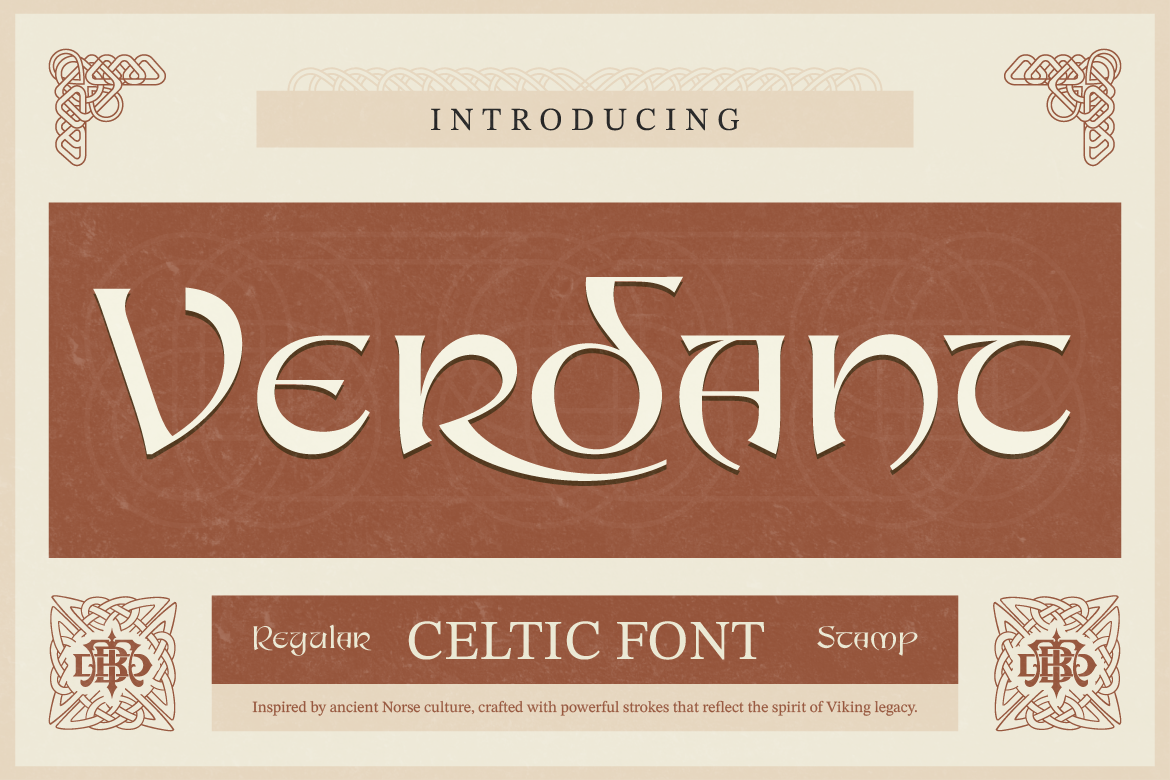
Verdant has a bold, mythical character rooted in Norse and medieval aesthetics. It comes in Regular and Stamp styles, and the organic curves give it a natural, earthy quality. I would use it for fantasy branding, RPG game titles, and album covers.
Best for: fantasy branding, RPG game titles, album covers. By: Burntilldead
8. Celtic Dragon
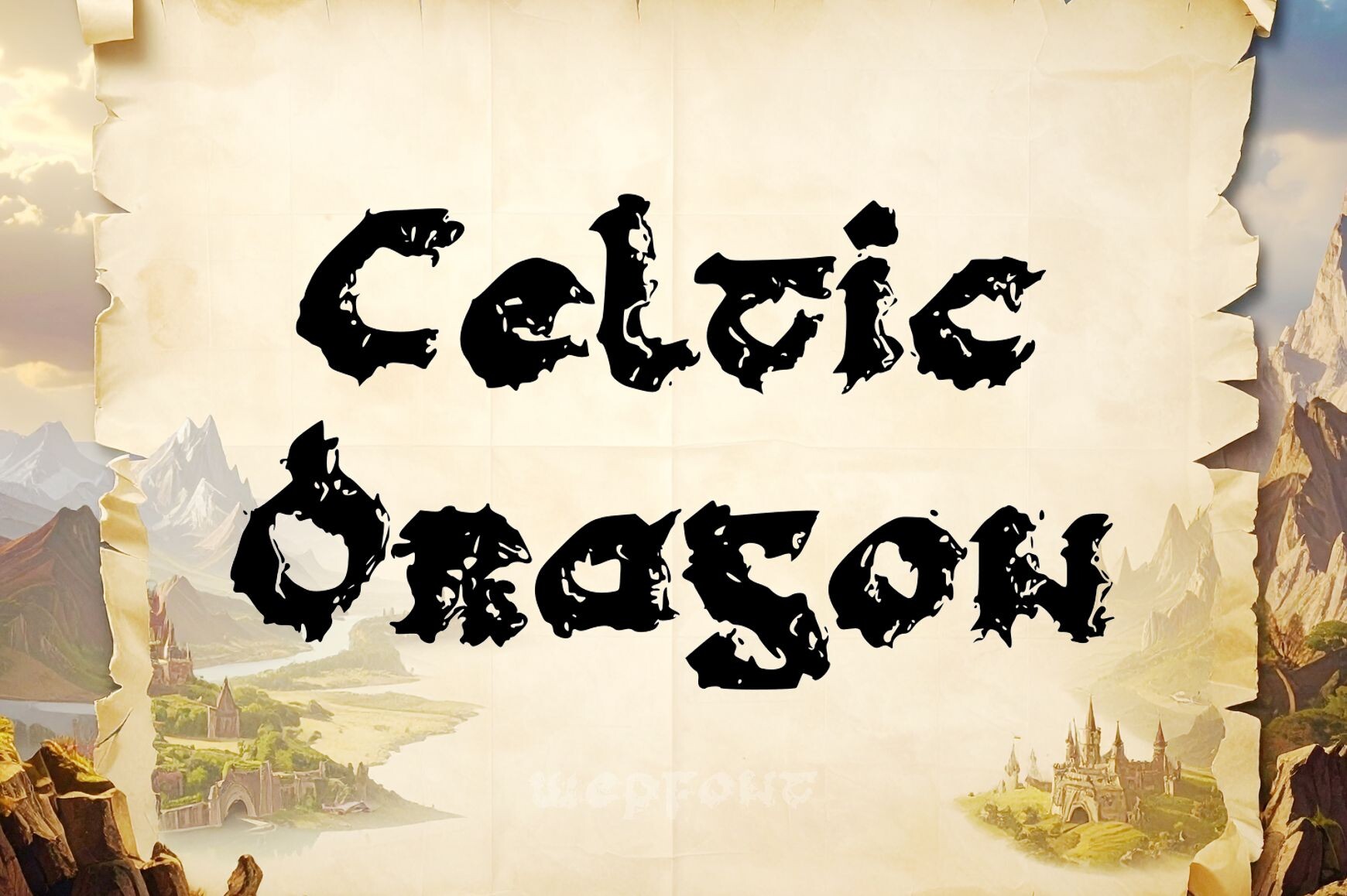
This bold display font channels the fierce energy of Celtic dragon mythology. The letterforms feel powerful and decorative at the same time, which makes them useful for fantasy book covers, game branding, and band logos. If you are looking for celtic fonts for tattoos, the strong shapes hold up well at skin size.
Best for: fantasy book covers, game branding, band logos. By: wep
Celtic Calligraphy and Script Fonts
Celtic calligraphy fonts trade the heavy strokes of blackletter for flowing, hand-drawn lines. They work for wedding invitations, greeting cards, branding, and social media graphics where the design needs to feel personal. If you want more script options for weddings, see our best wedding fonts guide.
These are the faces I choose when the project needs Celtic warmth without Celtic weight.
For celtic calligraphy fonts, keep the text short and the spacing generous. These scripts look best at large sizes where the brush strokes and natural curves can breathe.
9. Irish Brogue
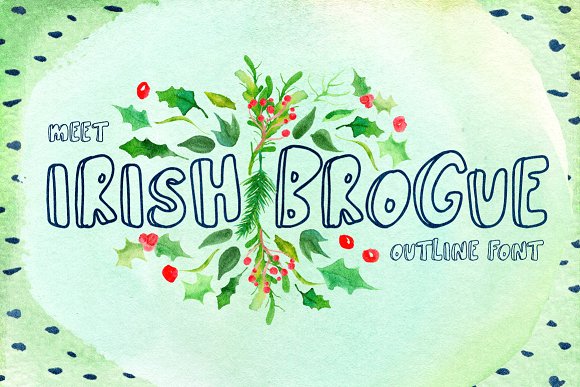
Irish Brogue is a handcrafted script font with an organic, flowing feel that captures the warmth of Irish culture. The hand-drawn quality gives it an artisanal character, and it works for wedding invitations, greeting cards, and product labels with an Irish theme.
Best for: wedding invitations, greeting cards, product labels. By: Creativeqube Design
10. Irish Belle
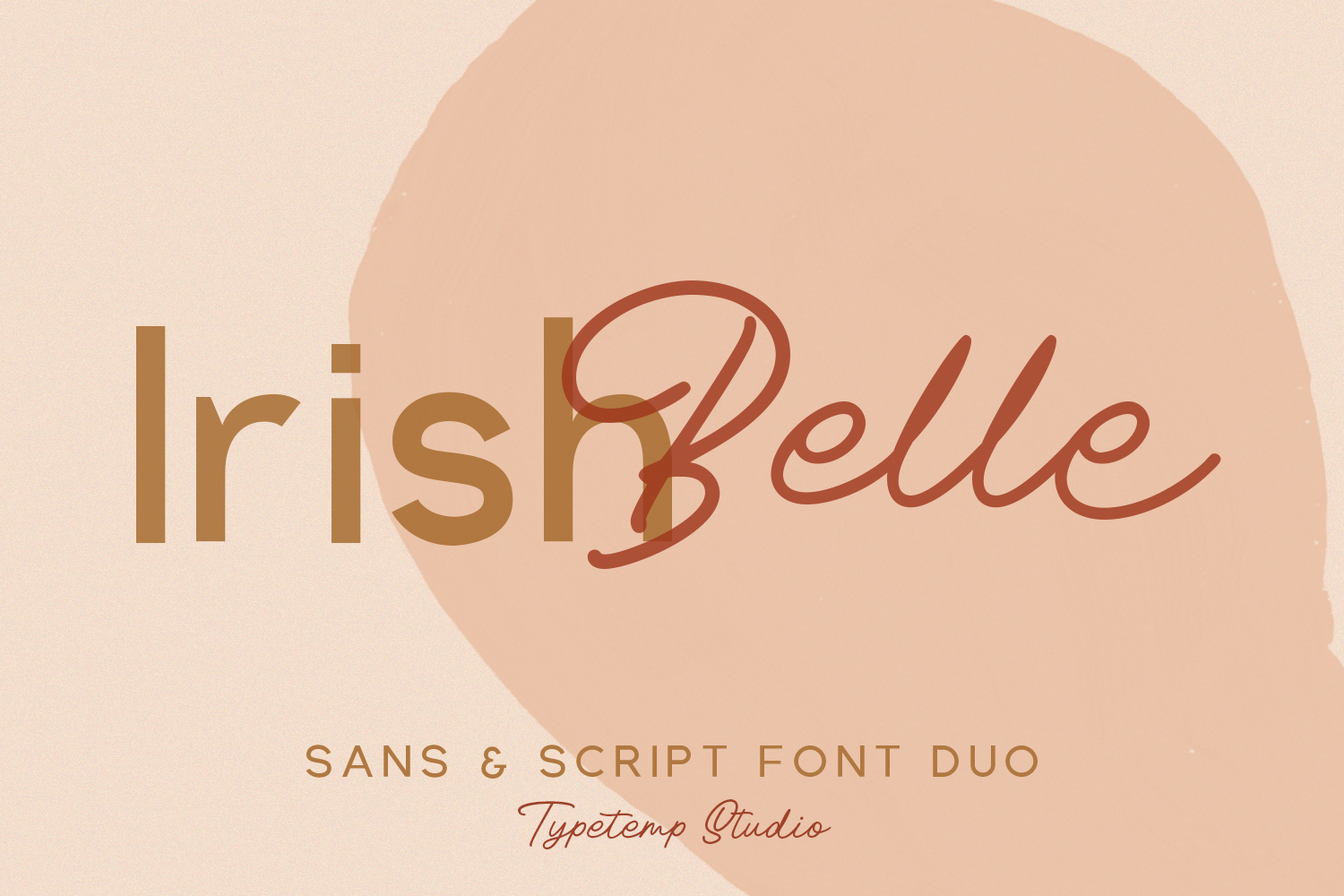
This duo font combines a script style with a clean sans serif, which makes it easy to pair headline and body text from one package. The script has Celtic sensibility with modern elegance, so it suits wedding stationery, branding, and blog headers. For a quick celtic font pairing, this duo does the work for you.
Best for: wedding stationery, branding, blog headers. By: TempCraft
11. Gaela
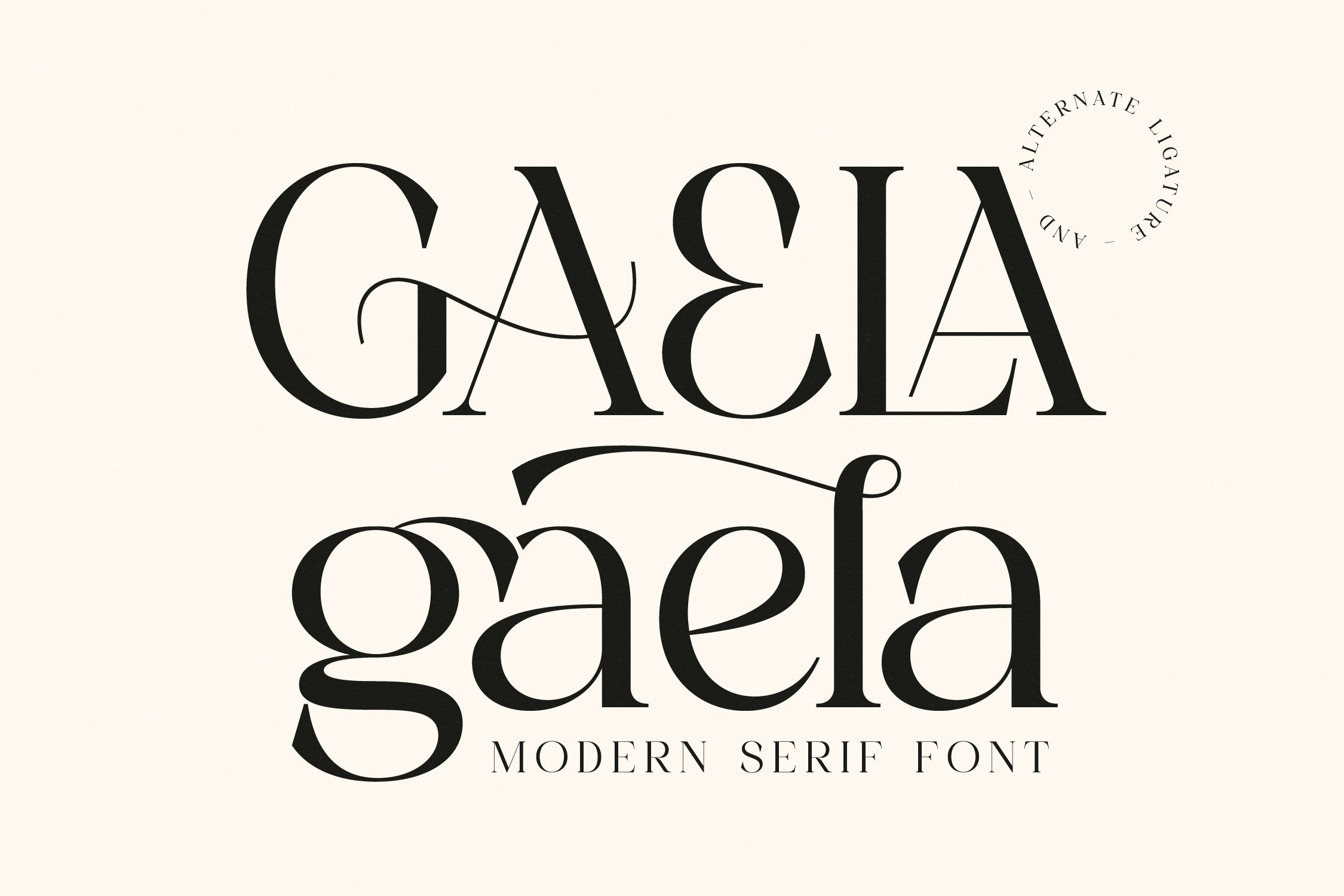
Gaela is a modern serif typeface with a Gaelic-inspired name and a refined, contemporary look. It nods to Celtic heritage while maintaining a luxurious feel, which makes it useful for luxury logos, fashion brand identity, and magazine layouts. If you need gaelic fonts that feel upscale, this is a strong option.
Best for: luxury logos, fashion branding, magazine layouts. By: Storytype Studio
12. Scotland

This elegant script has a contemporary atmosphere inspired by classic calligraphy. The flowing letterforms evoke a sense of place, which makes it a good match for wedding invitations, editorial design, and greeting cards with a Scottish or Celtic theme.
Best for: wedding invitations, editorial design, greeting cards. By: alpapranastudio
13. Scotlandia
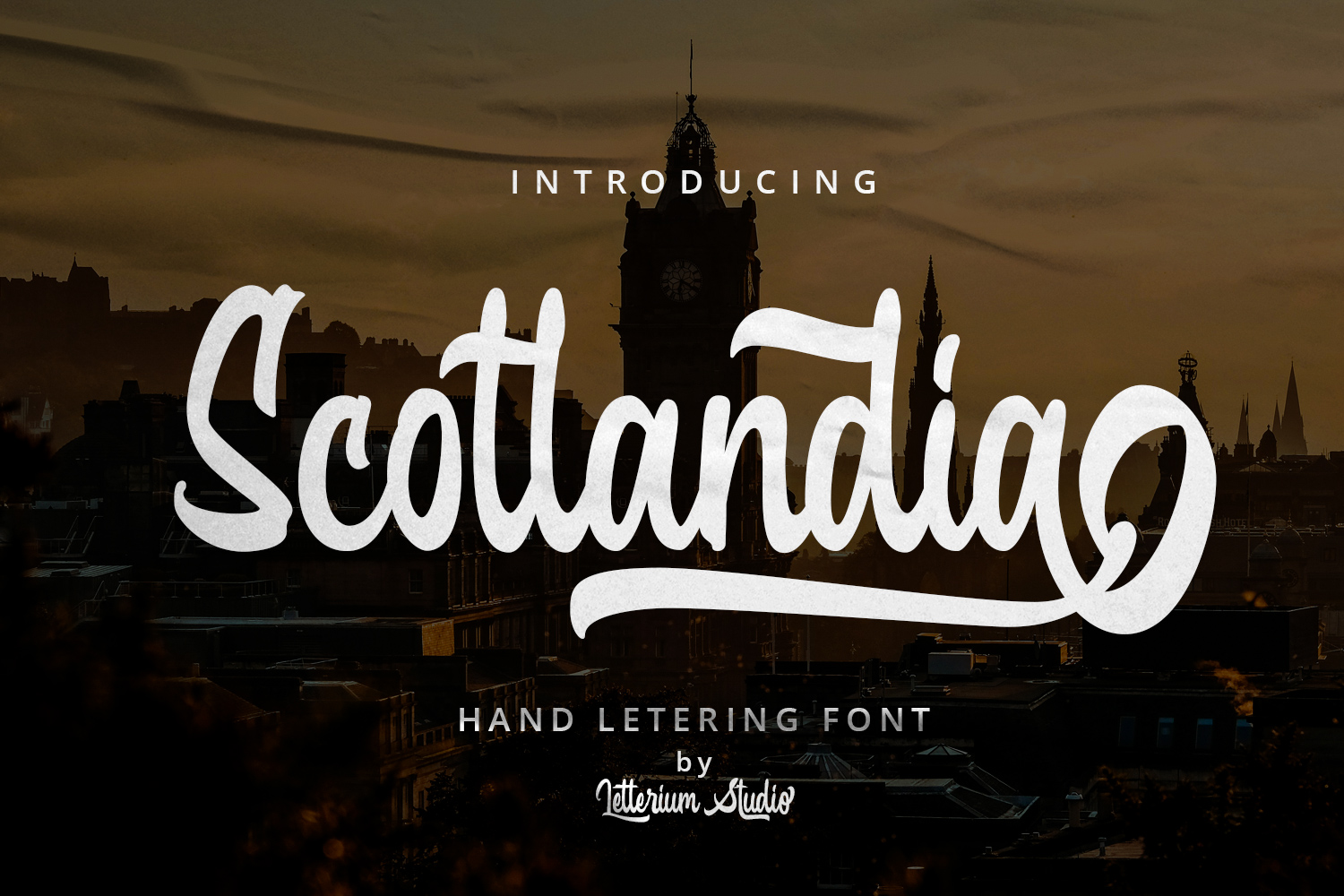
Scotlandia is a bold handwritten font designed for headlines and logotype projects. The bold strokes channel Celtic energy into a modern handlettered style, which suits t-shirt designs, social media headers, and posters where the type needs to feel confident and energetic.
Best for: headlines, t-shirt designs, social media headers. By: letteriumstudio
Celtic-Inspired and Norse-Celtic Fusion Fonts
These fonts sit at the intersection of Celtic and Norse design, or bring Celtic spirit to seasonal and city-themed projects. They are useful for St. Patrick’s Day designs, Viking-themed work, and Irish branding that needs a modern twist.
I group them separately because they are not strictly traditional, but they carry enough Celtic character to fit a celtic fonts collection.
14. Ulfberht
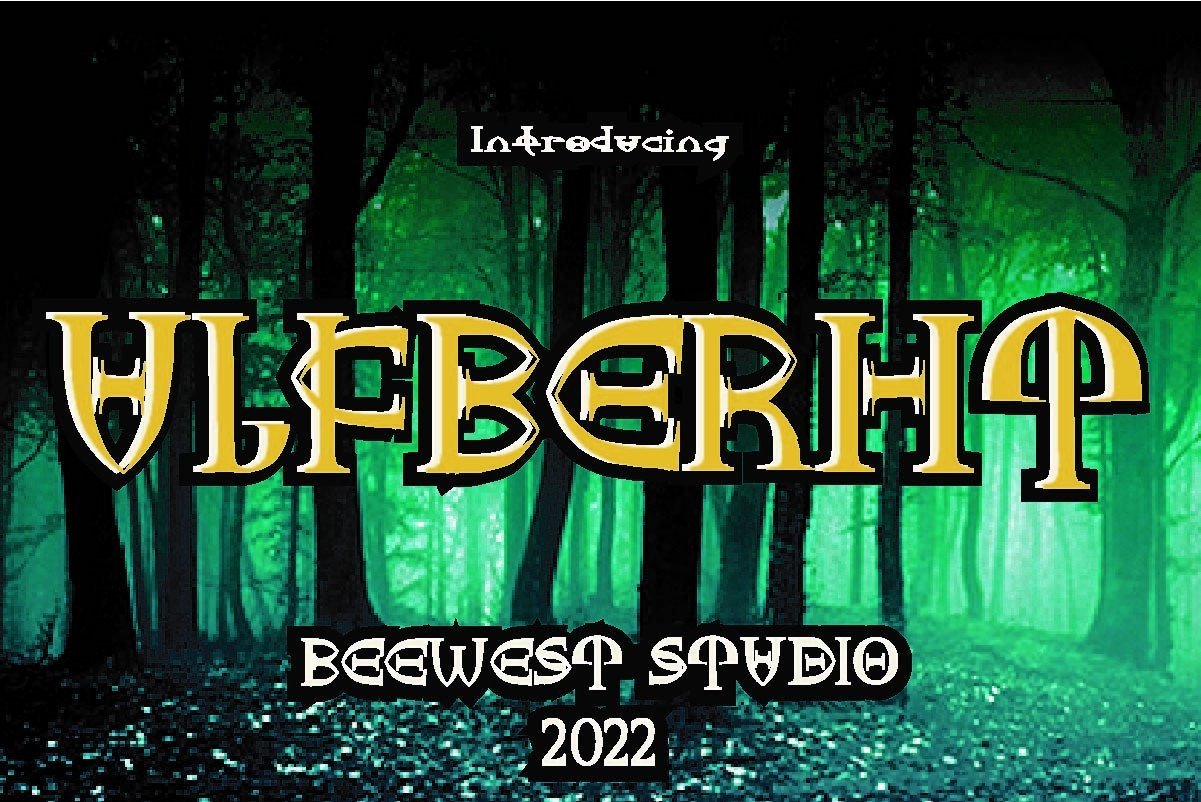
Ulfberht takes its name from the legendary ancient Viking sword, and the letterforms capture that raw, forged energy. It works for book covers about folklore, t-shirts, game design, and any project where Celtic and Norse traditions overlap.
Best for: mythology book covers, t-shirts, game design. By: wisudyantoro
15. Norseman
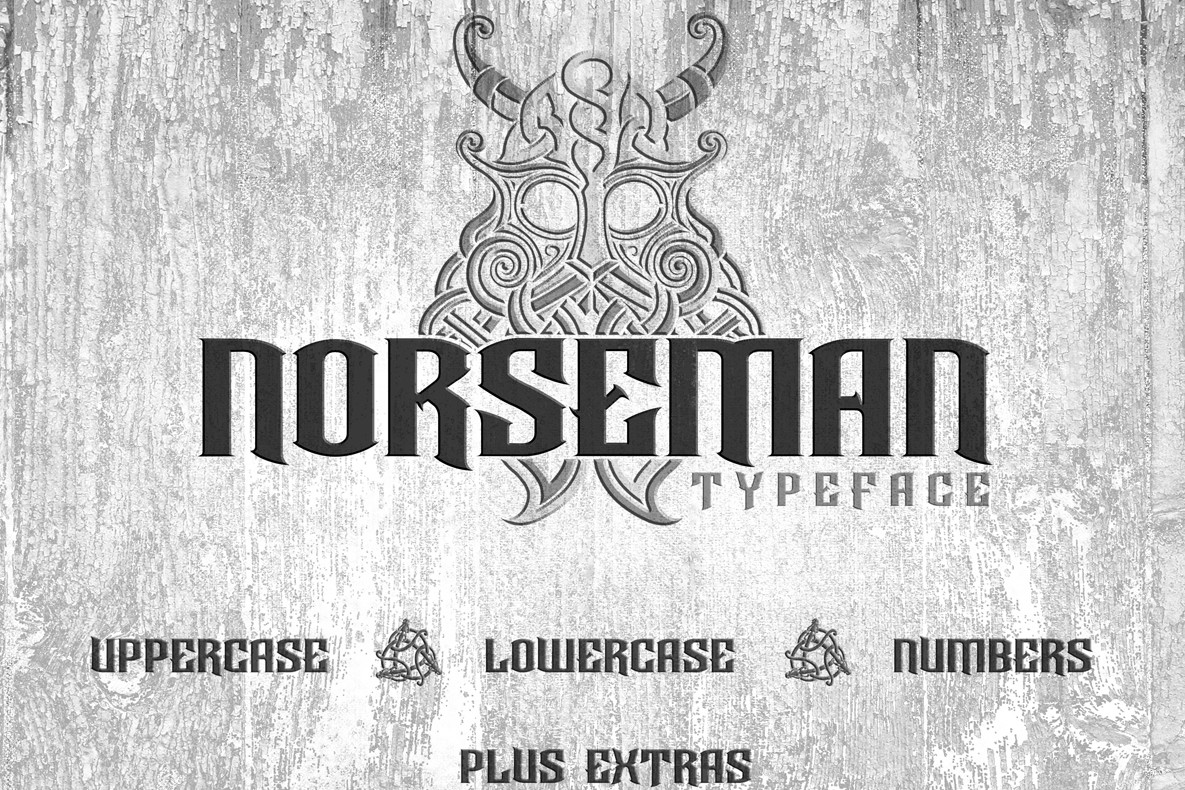
This incredibly thick, bold display font has enough visual weight to anchor any design. The heavy presence channels the warrior culture shared by Norse and Celtic civilizations, and it works for posters, game titles, and event marketing.
Best for: posters, game titles, event marketing. By: Alphabet Agency
16. Shamrocker
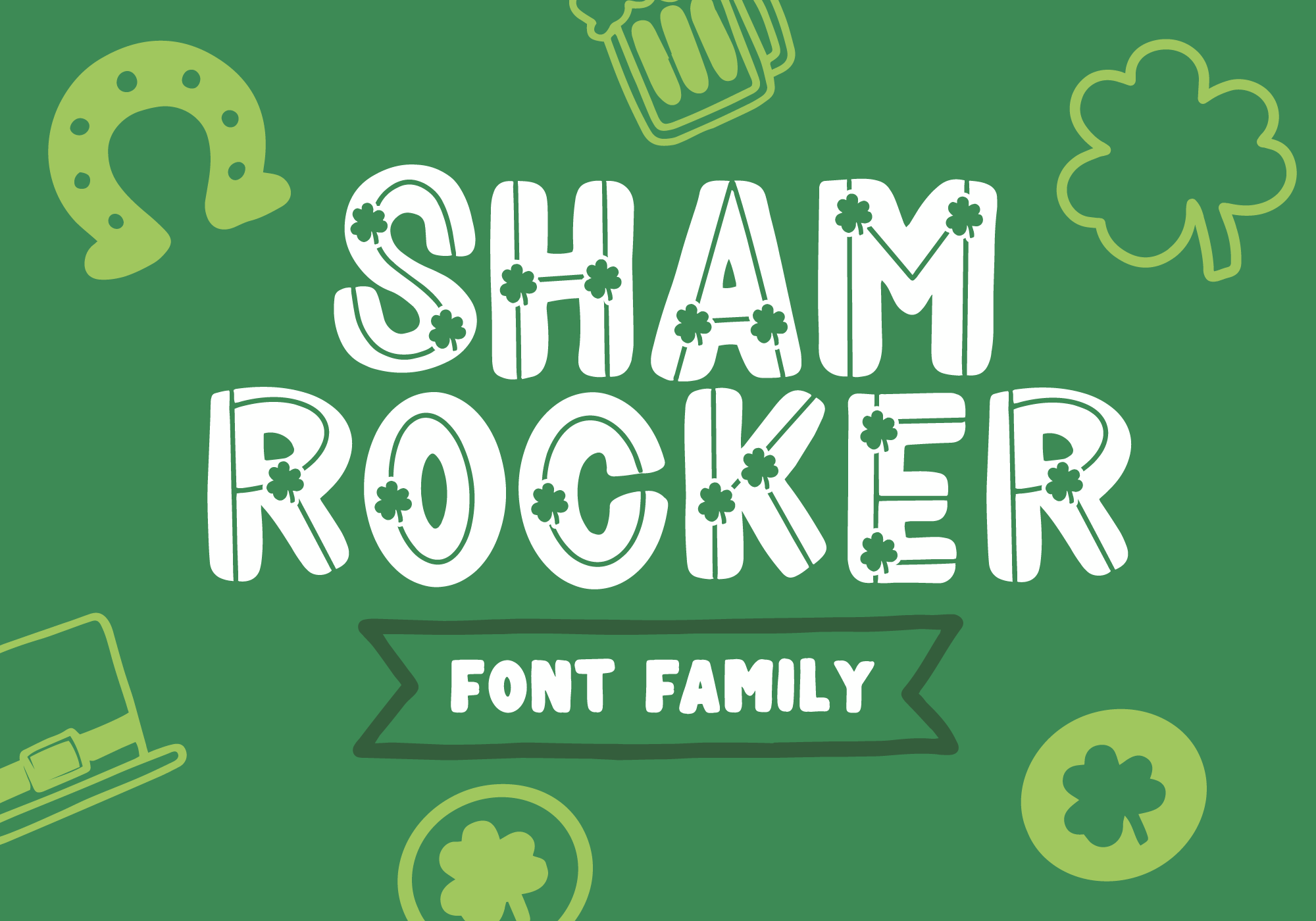
Shamrocker is a hand-lettered font built for St. Patrick’s Day and Irish celebrations. It includes clean and lines versions for layering, plus extras like catchwords, banners, and doodles. For irish fonts with a festive feel, this is the most seasonal option in the list.
Best for: St. Patrick’s Day designs, t-shirts, party banners. By: The Pretty Letters
17. Dublin
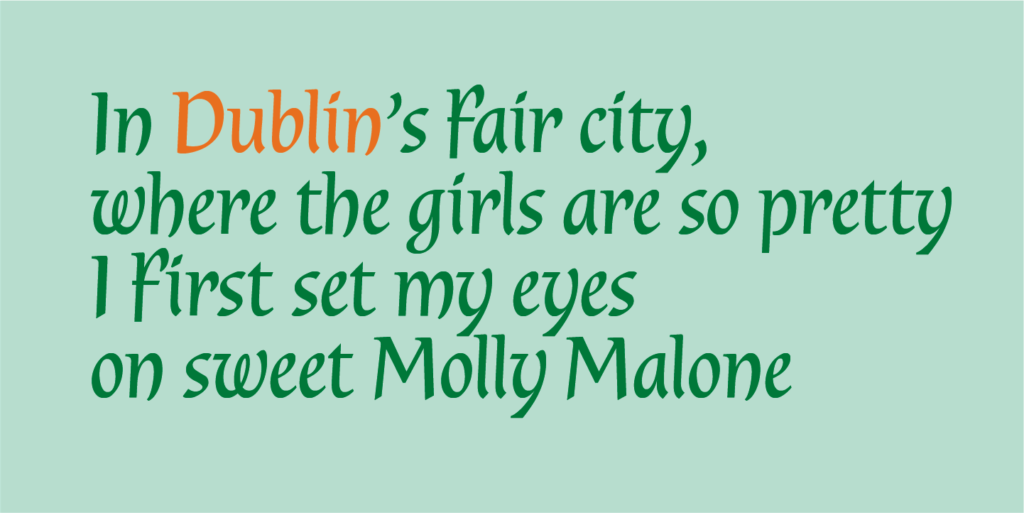
Dublin features Celtic-style lettering with alternative sets of capitals and lowercase characters. Named after Ireland’s capital city, it brings authentic Irish character to designs and works for pub signage, branding, and tourism materials.
Best for: Irish pub signage, branding, tourism materials. By: Alan Meeks
How to Choose the Right Celtic Font
Start with the project. A traditional uncial font works for historical, literary, and formal designs. A bold celtic display font works for games, events, and merchandise. A celtic calligraphy or script font works for weddings, personal branding, and greeting cards.
For celtic fonts for tattoos, choose letterforms with clear shapes that hold up at skin size. Uncial faces and bold display fonts tend to age better than thin scripts. Test the font at the actual size before committing.
For Cricut and laser cutting, connected script letters need to be welded so they cut as one piece. Fonts with knotwork details may need simplification at small sizes. Test a sample cut before running the full project.
Tip: Pair a celtic display font with a clean sans or serif for body text. The display font carries the mood, while the text font keeps the layout readable. Two celtic fonts in the same design can feel cluttered.
For St. Patrick.s Day projects, pair a festive celtic display font with a clean sans for dates and details. Green, gold, and cream make a strong palette, but let the font carry most of the Irish character rather than relying on shamrock clipart.
For logos and branding, consider how the font reads at small sizes. A knotwork display font can look impressive on a sign but may lose detail on a business card. Test the font at multiple sizes before committing to a direction.
Check the capitals before you decide. Words like Celtic and Ireland rely on strong C and I shapes. If the capital letters feel weak or hard to read, the headline will lose its impact.
If you plan to sell Celtic-themed crafts or merchandise, check the license on the product page. A commercial license is required for products sold online. The license details vary, so read them before you buy.
Where to Download Celtic Fonts
Creative Fabrica is the main source for the celtic fonts in this list, and each product page includes the license details you should check before using a font in a commercial project. For free starting points, Google Fonts offers historical serif options, and sites like DaFont and FontSpace have free celtic fonts for personal use. For more font guides and typography tips, visit the FontPro blog.